Stadium Takeovers by Global Performers Reshaping Adjacent Casino Floor Dynamics and Specialty Drink Offerings
Written by Ben Reed · Nov 4, 2026
Stadium Takeovers by Global Performers Reshaping Adjacent Casino Floor Dynamics and Specialty Drink Offerings
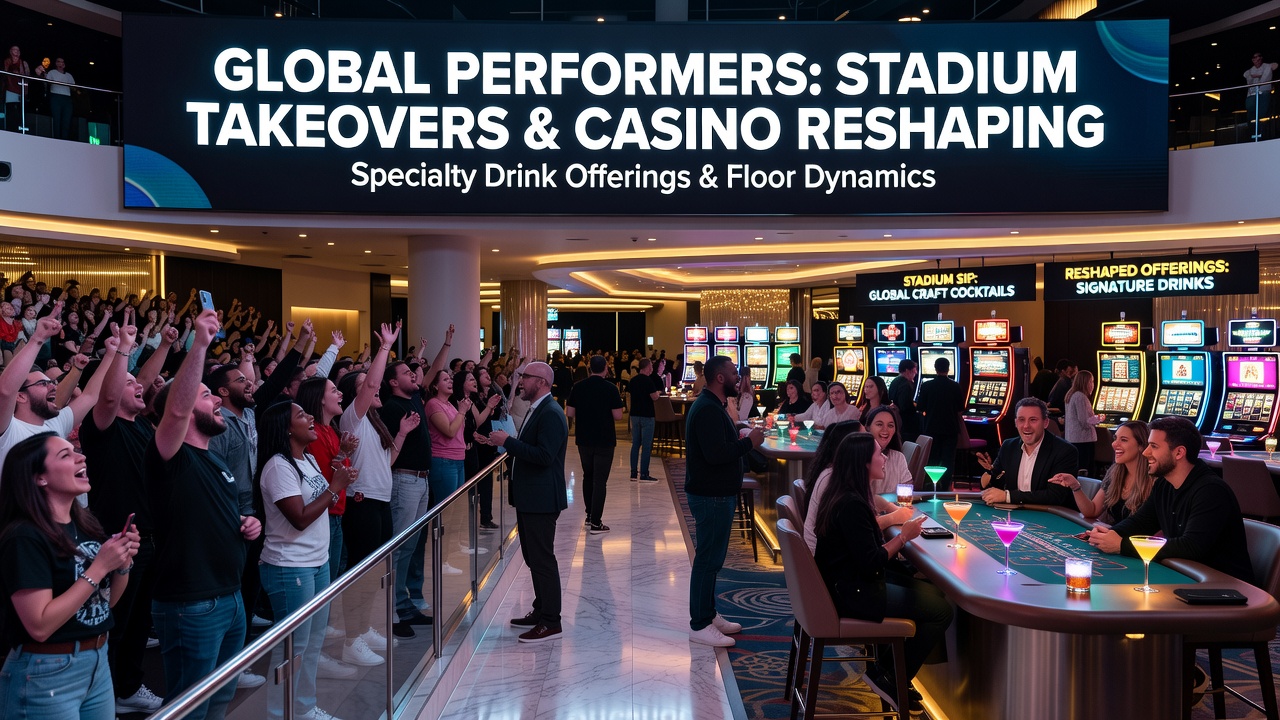
Global performers booking large stadium venues near major casino properties have triggered measurable shifts in floor traffic patterns and beverage programming across Las Vegas properties, according to visitor flow data compiled by the Las Vegas Convention and Visitors Authority. Stadium events draw concentrated crowds that spill directly into neighboring casino floors, where operators adjust table minimums, slot bank allocations, and staffing rotations to accommodate the surge. Those adjustments occur because event attendees often arrive hours before showtime and linger afterward, extending their time on gaming floors compared with typical weekday patterns.
Changes in Floor Layout and Player Behavior
Researchers at the University of Nevada, Las Vegas have tracked how stadium events alter dwell times and game selection, noting that high-traffic periods coincide with increased play on high-limit slots and table games positioned near main entrances. Casino managers respond by repositioning promotional signage and temporary barriers to guide foot traffic away from bottlenecks, while security teams coordinate with stadium personnel to manage staggered arrivals. Data from the Nevada Gaming Control Board shows elevated win percentages during these event windows because the influx of new players often includes higher average bet sizes than regular local traffic.
Specialty drink programs evolve in tandem because bars located on the same casino level receive advance notice of performance schedules. Mixologists create limited-time cocktails that reference the headliner’s catalog or tour themes, using ingredients that align with current supply contracts. These offerings appear on digital menu boards and table tents within hours of ticket sales spikes, turning adjacent beverage outlets into secondary gathering points for fans who skip the main arena concourse lines.
Supply Chain Adjustments for Signature Beverages
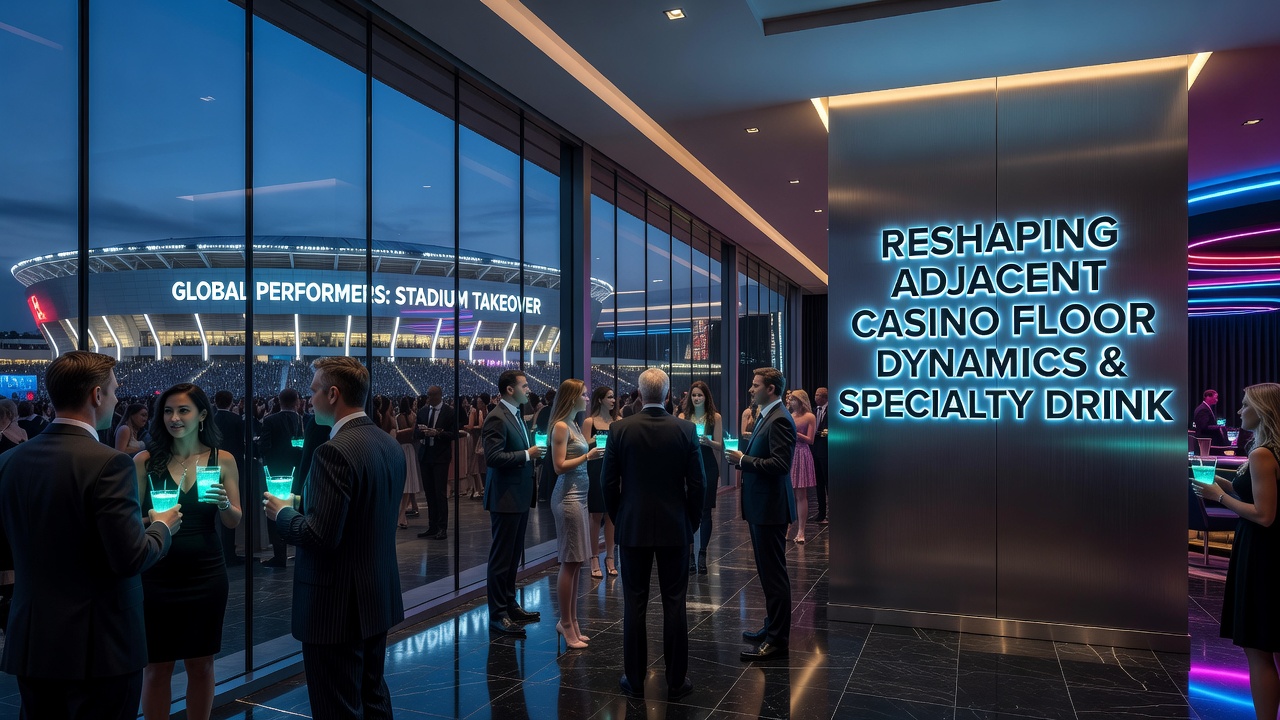
Beverage directors coordinate with distributors weeks ahead of announced dates to secure larger volumes of specific spirits, syrups, and garnishes that match the performer’s aesthetic. One study released by the American Gaming Association documented a 22 percent rise in craft cocktail sales at properties within a half-mile radius of stadium venues during multi-night residencies. Those figures align with internal reports from multiple Strip operators who expand temporary bar stations near high-traffic corridors on event nights.
November 2026 schedules already list several stadium bookings that will overlap with major convention periods, prompting some properties to pre-stage additional refrigeration units and temporary draft lines in anticipation of sustained demand. Observers note that these overlapping calendars require precise timing because convention attendees and concert crowds follow different arrival curves yet converge on the same gaming and bar spaces.
Staffing and Operational Coordination
Human resources teams at casino properties adjust shift bids and cross-train servers so they can move between gaming floor bars and stadium-adjacent lounges without service gaps. Training modules now include quick-reference cards that list drink recipes tied to specific touring artists, allowing staff to execute orders quickly during peak rushes. These procedural changes stem from post-event debriefs that identified bottlenecks in earlier stadium-adjacent events.
Security and surveillance departments also modify camera coverage and floor-walker routes when stadium events coincide with peak gaming hours. The additional visual monitoring helps maintain compliance with state gaming regulations while capturing real-time data on crowd density that informs future staffing models. Industry reports compiled by the Nevada Resort Association indicate that properties sharing the same block as stadium venues have increased joint planning meetings with arena operators to synchronize entry and exit flows.
Longer-Term Effects on Inventory and Menu Planning
Over multiple event cycles, beverage purchasing teams have begun building standing orders for certain ingredients that appear repeatedly across different performer themes. This approach reduces last-minute sourcing costs and stabilizes pricing for high-volume items such as flavored liqueurs and specialty bitters. Menu engineering software used by several properties now factors stadium booking calendars into projected sales forecasts, allowing buyers to lock in volume discounts months ahead.
Those who monitor point-of-sale data report that themed drinks frequently outsell standard offerings by margins that justify the added preparation steps. Properties share aggregated anonymized sales figures with academic partners to refine predictive models for future event clusters. The resulting datasets help operators decide which temporary bar locations merit permanent expansion based on repeated stadium-driven traffic patterns.
Conclusion
Stadium bookings by global performers continue to influence how adjacent casino floors manage space, staffing, and beverage offerings through data-driven adjustments that recur with each major event cycle. Operators rely on coordinated planning with arena teams, updated supply agreements, and real-time analytics to maintain service levels during these concentrated influxes. The patterns observed across multiple properties suggest that these dynamics will persist as long as stadium calendars remain aligned with Las Vegas gaming operations.