Resort Lobby Galleries: The Quiet Role of Curated Art Displays in Enhancing Visitor Itineraries
Written by Tina Vogel · Sep 23, 2026
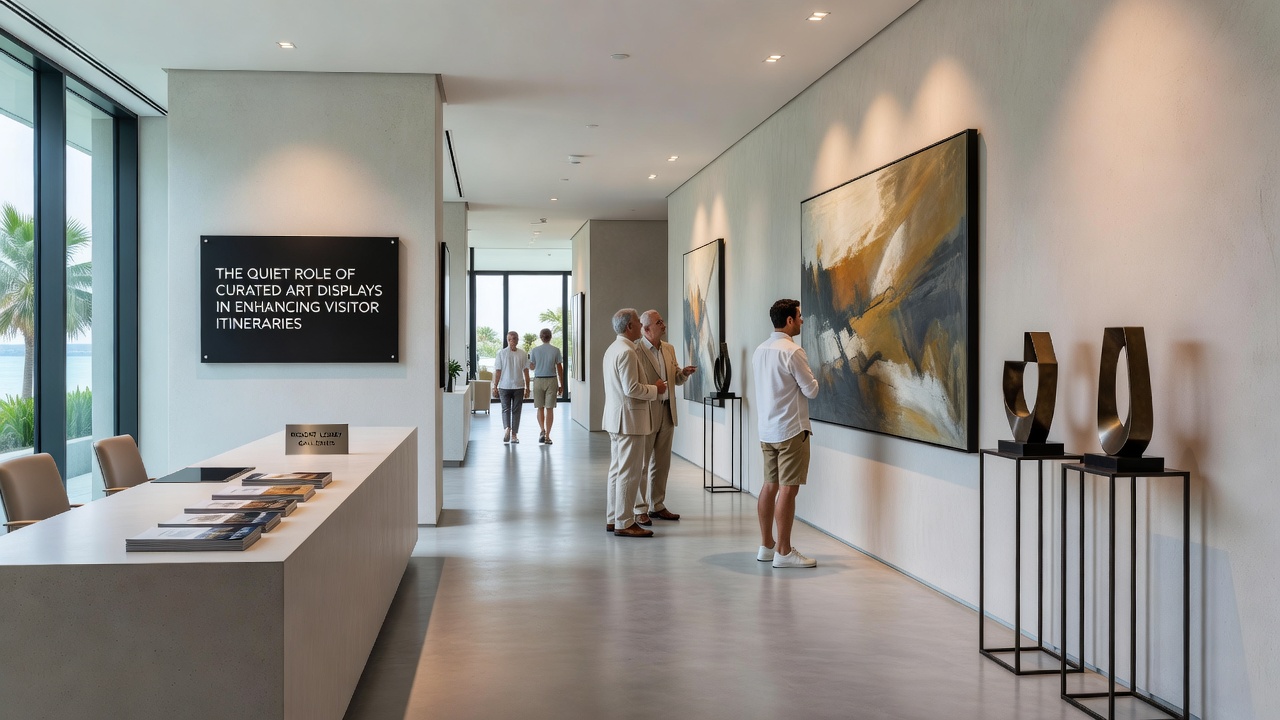
Resort Lobby Galleries: The Quiet Role of Curated Art Displays in Enhancing Visitor Itineraries
Resort properties across the Las Vegas Strip integrate curated art displays into lobby spaces to shape how guests move through their properties, and these installations often direct foot traffic toward retail corridors, dining venues, and entertainment zones without overt signage. Data from the Las Vegas Convention and Visitors Authority shows that properties with rotating lobby collections report measurable increases in dwell time near adjacent amenities during peak arrival periods.
Integration of Art into Daily Guest Flows
Design teams at major resorts commission site-specific works that align with architectural themes, and these pieces sit at key transition points where visitors pause before checking in or heading to rooms. Observers note that such placements create natural stopping points that encourage exploration of nearby retail outlets and casual dining options, while the art itself remains a secondary draw rather than a primary destination. Properties have expanded these programs since the mid-2010s, rotating collections every six to nine months to maintain repeat visitor interest.
Studies conducted by hospitality research groups indicate that guests who engage with lobby art displays spend an average of twelve additional minutes in the surrounding area compared to those who move directly through the space. This extra time translates into higher engagement with concierge services and promotional materials positioned nearby, and resorts track these patterns through anonymized movement data collected from Wi-Fi networks.
Examples from Strip Properties
One resort on the south end of the Strip installed a series of large-scale photographic works depicting regional desert landscapes in its main lobby during 2024, and the placement guided arriving guests past a row of boutique shops that reported a seven percent uptick in foot traffic during the installation period. Another property near the center of the Strip features rotating sculpture exhibits drawn from private collections, and these pieces sit along a corridor that leads directly to theater entrances, prompting visitors to arrive earlier for shows and browse adjacent lounges.
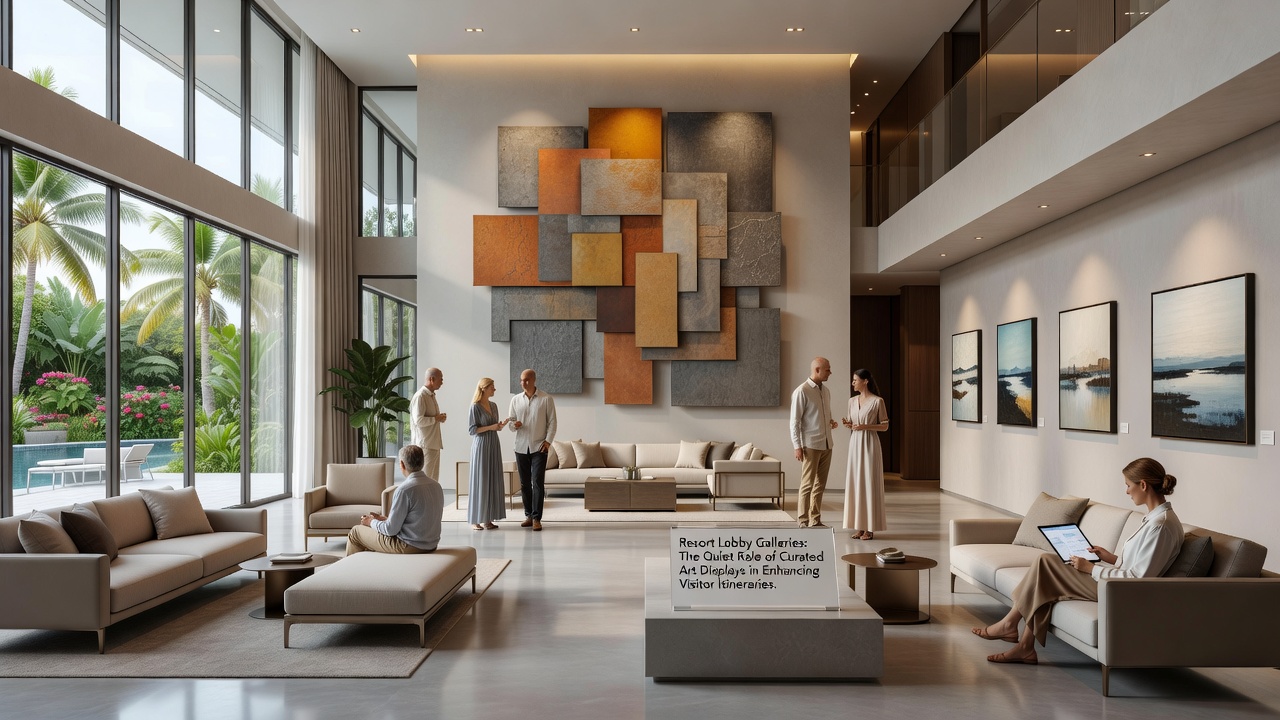
Staff at multiple properties coordinate with local galleries and international artists to source pieces that complement seasonal themes, and this approach allows lobbies to reflect events happening elsewhere on the property such as culinary festivals or music residencies. In September 2026 several resorts plan to unveil new collections timed with the start of the fall entertainment calendar, using the displays to highlight partnerships with regional cultural institutions.
Measurement of Itinerary Influence
Property management teams use heat-mapping technology and guest survey responses to quantify how lobby art affects movement patterns, and the resulting reports show that certain color palettes and scale of works correlate with longer pauses near specific exits. Resorts share aggregated findings with design consultants who refine future installations, and this feedback loop has led to increased use of interactive elements such as QR codes that link to digital maps of the property.
Academic researchers from institutions in multiple regions have examined similar hospitality art programs, and a 2023 report from a Canadian university hospitality lab found that visual anchors in entry spaces reduce perceived wait times during high-volume check-in periods. Resorts apply these insights by positioning art near digital kiosks that offer itinerary suggestions, creating a seamless transition from viewing to planning the rest of a visit.
Coordination with Broader Property Programming
Curators work alongside operations teams to ensure art displays do not interfere with service flows, and they schedule installations during slower overnight hours to minimize disruption. This coordination extends to lighting design that highlights both the artwork and nearby wayfinding elements, allowing guests to absorb the visual information while orienting themselves toward restaurants or show venues. Properties that maintain in-house curatorial staff report stronger alignment between art themes and marketing campaigns for upcoming events.
Trade associations in the hospitality sector have begun including sessions on lobby curation at annual conferences, and these discussions cover case studies from properties that successfully used art to redistribute crowds away from congested gaming floors during evening peak times. The approach relies on subtle visual cues rather than announcements, preserving the relaxed atmosphere that guests expect upon arrival.
Conclusion
Resort lobby galleries function as understated navigation tools that integrate into the larger ecosystem of visitor movement across Las Vegas properties, and ongoing data collection continues to refine how these displays support efficient itineraries. Properties adjust collections based on observed patterns, and the practice has become a standard element of lobby design across teh Strip. As new installations debut in September 2026, the role of these quiet visual elements in shaping guest paths remains a consistent feature of resort operations.