Off-Strip Pawn Brokers Catalog High-Roller Memorabilia from Casino Losses
Written by Uma Hartmann · Sep 9, 2026
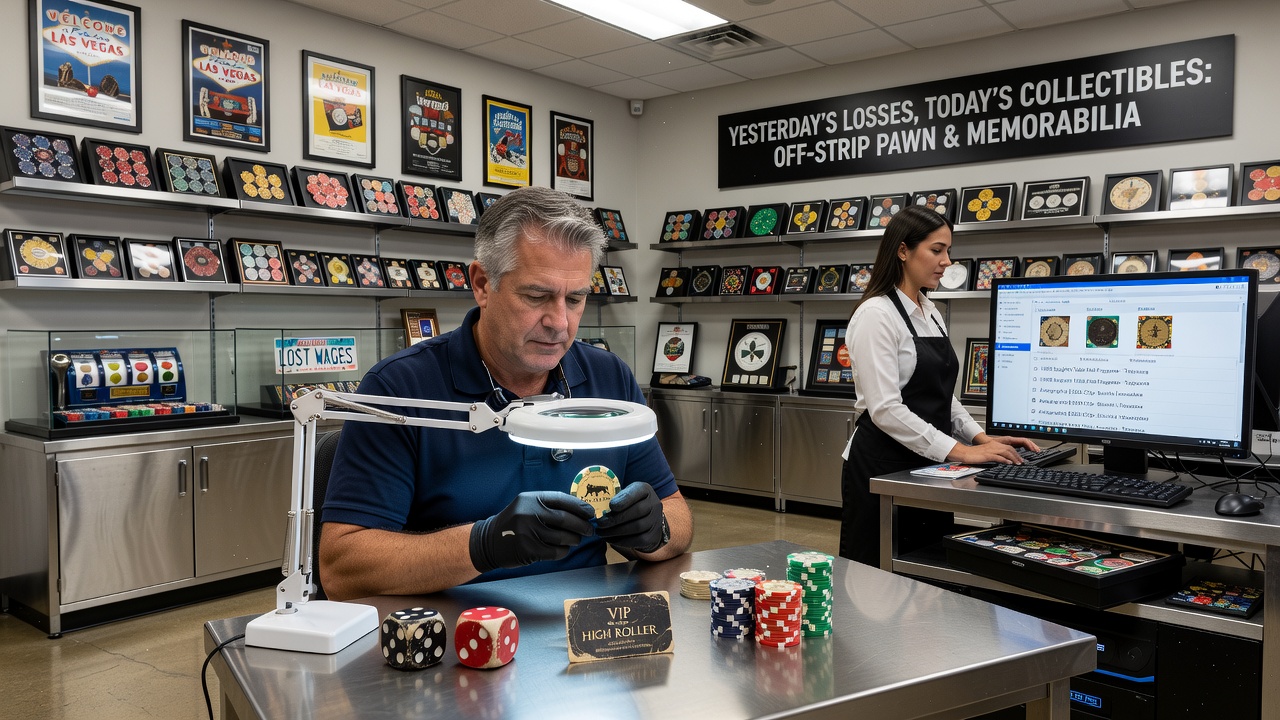
Off-Strip Pawn Brokers Catalog High-Roller Memorabilia from Casino Losses
Off-strip pawn brokers in Las Vegas handle a steady flow of items that high-rollers leave behind after casino visits, and these businesses maintain detailed catalog systems to track everything from signed playing cards to custom poker chips. Data from the Nevada Gaming Control Board shows that gaming activity on the Strip generates thousands of personal artifacts each year, many of which end up in secondary markets once owners convert them for cash. Brokers separate these pieces by type, condition, and provenance before assigning unique identifiers that link each item to its original casino and approximate date of use.
Cataloging Processes Used by Local Brokers
Brokers photograph every item under standardized lighting, record serial numbers where available, and cross-reference markings against databases maintained by resort properties, while they also note any engravings or signatures that indicate a specific high-roller connection. Staff enter this information into digital ledgers that track acquisition date, estimated market value, and storage location, creating searchable records that allow quick retrieval when collectors inquire about particular eras or resorts. One Las Vegas broker documented over 4,200 individual chips from the 2010s alone, each tagged with the resort name and a reference to the month it left circulation.
Physical storage follows strict organization by category, with high-value memorabilia placed in climate-controlled cases and lower-tier chips sorted into labeled bins that correspond to the digital catalog entries. This method reduces handling time and preserves condition, which directly affects resale prices reported in industry trade publications. Researchers at the University of Nevada, Las Vegas have studied similar secondary markets and found that organized cataloging increases the speed at which items move from acquisition to buyer.
Turning Losses into Collectible Assets
High-rollers often exchange chips, watches, or signed memorabilia for immediate funds when casino sessions conclude, and off-strip brokers purchase these items at percentages of face or appraised value before reselling them to collectors or through online platforms. The process converts what began as gambling losses into tangible assets that appreciate when tied to notable events or limited-edition releases. Figures from the American Gaming Association indicate that collectible gaming memorabilia has grown as a distinct category, with brokers acting as intermediaries who verify authenticity and supply provenance details that buyers require.
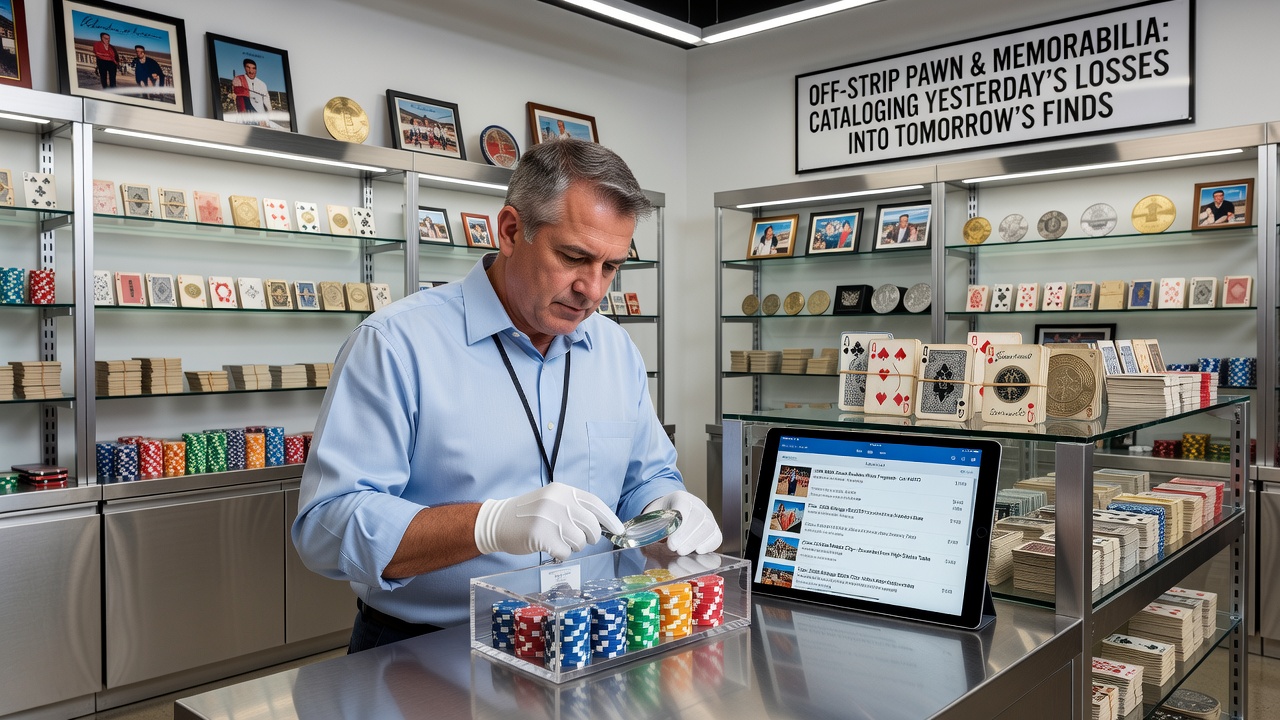
Market demand peaks around major events, including the return of high-profile tournaments scheduled for September 2026, when collectors seek pieces connected to specific resorts or players. Brokers adjust acquisition prices based on recent sales data and maintain waiting lists for repeat buyers interested in complete sets from a single property. This cycle keeps inventory moving and supplies documented examples that illustrate changes in casino chip design and branding over decades.
Examples from Recent Transactions
Take the case of a broker who acquired a set of 200 custom chips from a high-roller who had played at multiple off-Strip properties during a single weekend; the chips carried unique edge markings that traced back to a limited promotion in 2018. After cataloging, the set sold within three weeks to a collector assembling a complete record of that resort's chip series. Another transaction involved a signed baseball cap from a celebrity guest who lost it during a poker tournament, complete with security footage timestamps that the broker used to confirm the date and location.
These documented sales demonstrate how individual items transition from personal possession to collectible status once they receive proper catalog entries and verification. Observers note that the volume of such transactions rises when resort renovations prompt the retirement of older chip designs, creating fresh supply for the secondary market.
Regulatory Context and Market Data
Nevada state regulations require pawn brokers to record seller identification and hold certain items for a designated period before resale, which adds another layer of documentation to every catalog entry. Compliance with these rules produces records that also serve collectors who need clear chains of ownership. Industry reports compiled by gaming research groups in Australia have examined parallel markets in other jurisdictions and found similar patterns where regulated secondary sales support both liquidity for original owners and preservation of gaming history.
Brokers continue to refine their catalog systems as digital tools become more accessible, incorporating barcode scanning and cloud-based databases that allow remote inquiries from buyers located outside Nevada. This evolution supports steady growth in the segment without altering the core process of identifying, verifying, and storing items that once represented casino losses.
Conclusion
Off-strip pawn brokers in Las Vegas maintain systematic cataloging procedures that transform discarded high-roller items into traceable collectibles with documented histories. These operations rely on consistent record-keeping, adherence to state regulations, and awareness of collector demand to move inventory efficiently. The resulting market supplies artifacts that reflect decades of resort activity while providing liquidity options for those who choose to convert gaming remnants into cash.