Behind-the-Scenes Vendor Networks Coordinating Specialty Linens and Decor for Rotating Casino Event Spaces
Written by Tina Vogel · Nov 18, 2026
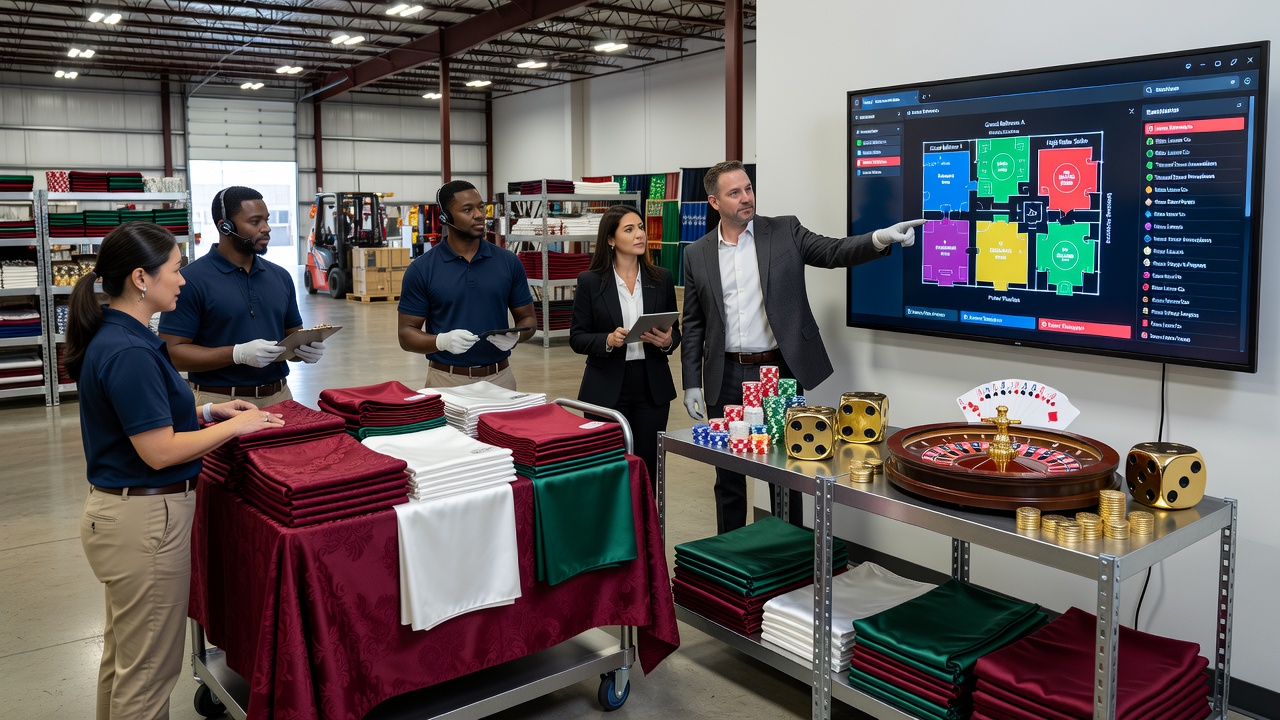
Behind-the-Scenes Vendor Networks Coordinating Specialty Linens and Decor for Rotating Casino Event Spaces
Vendor networks in Las Vegas operate through layered agreements that connect textile suppliers, floral designers, and logistics firms with casino properties seeking frequent changes in event spaces, and these partnerships allow properties to rotate themes without maintaining permanent inventories. Data from hospitality logistics reports show that coordination begins weeks in advance when event planners submit specifications for fabric textures, color palettes, and centerpiece dimensions that align with seasonal promotions or corporate bookings.
Specialty linens often arrive from regional mills in the Southwest that produce custom weaves resistant to heavy use, while decor elements such as drapery panels and lighting fixtures travel through centralized warehouses that consolidate shipments from multiple manufacturers. Observers note that these networks rely on shared scheduling software which tracks availability across several casino floors at once, reducing delays when one property shifts an event from a ballroom to an outdoor terrace.
Logistics Behind Daily Rotations
Teams manage the physical movement of materials through service corridors that connect loading docks to event areas, and drivers coordinate arrival windows to avoid peak gaming hours. According to figures released by the American Gaming Association, properties in Clark County hosted over 1,200 rotating events in the prior year, each requiring distinct linen sets and decorative accents that vendors swap out within tight timeframes. Suppliers maintain rolling stock on trucks equipped with climate control so that delicate fabrics and metallic finishes remain undamaged during transport.
One network links a fabric house in Arizona with a decor fabricator in California, allowing casinos to alternate between desert-inspired palettes and contemporary metallic schemes without duplicating orders. Installation crews use modular hardware that snaps into existing ceiling tracks and floor anchors, which speeds transitions and cuts labor hours by measurable percentages documented in industry case studies.
Seasonal Adjustments and November 2026 Planning
November 2026 brings an influx of corporate conferences and holiday-themed gatherings that prompt vendors to pre-position additional inventory of velvet runners, crystal accents, and warm-toned table coverings. Planners already circulate updated floor plans to network partners so that linens and decor arrive staged for quick deployment once spaces clear from earlier bookings. These preparations integrate with broader resort calendars that include shows and retail promotions, ensuring that event areas maintain visual consistency with surrounding gaming and dining zones.
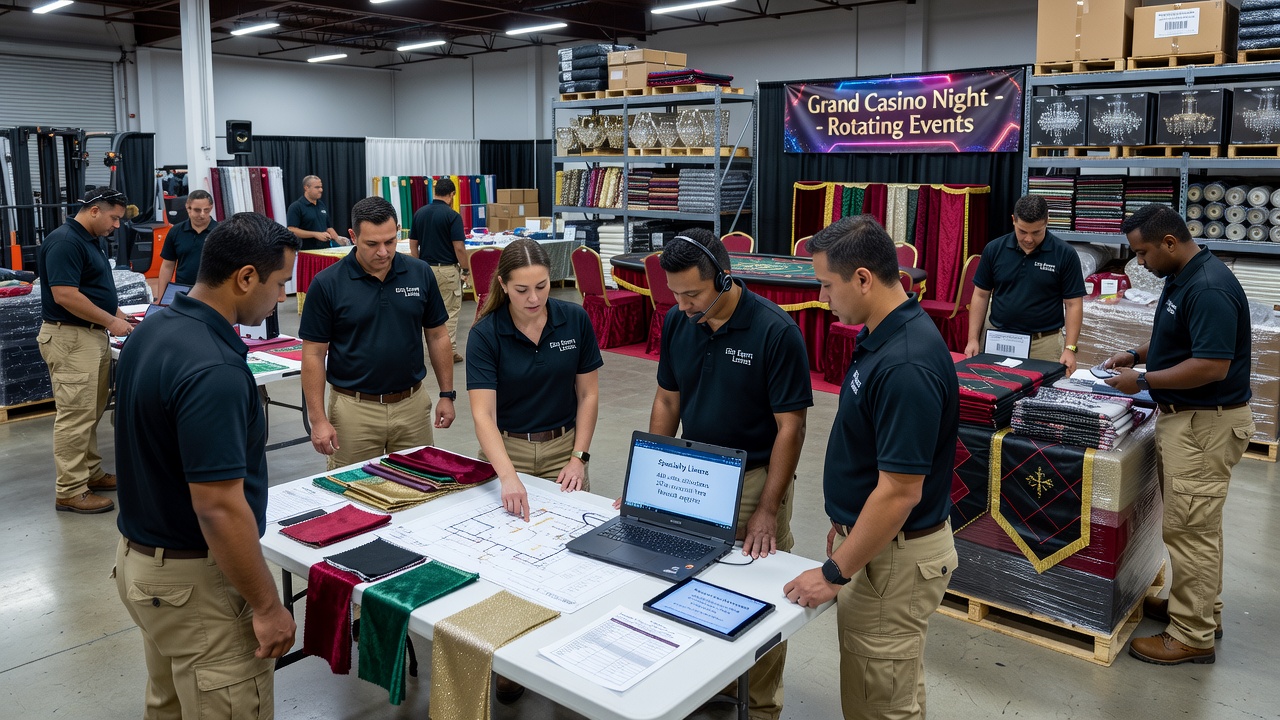
Trade groups such as the International Association of Exhibitions and Events track how these vendor webs adapt to fluctuating demand, and their annual summaries indicate that linen and decor categories account for a growing share of outsourced services on the Strip. Coordination meetings occur monthly to review fabric durability data and to adjust supplier contracts when new event formats emerge.
Supply Chain Integration Across Properties
Multiple casinos often draw from the same core group of vendors, which creates efficiencies in bulk purchasing yet requires strict allocation protocols to prevent double-booking during high-demand periods. Software platforms flag conflicts in real time while human coordinators resolve edge cases by rerouting shipments through secondary depots. Research from hospitality operations at the University of Nevada, Las Vegas, highlights that successful networks maintain redundant supplier options for each category of linen and decor, which protects against disruptions from weather or production delays.
Installation protocols include pre-event walkthroughs where teams verify that colors match approved samples under the specific lighting of each space, and adjustments happen on site before final sign-off. Such checks reduce last-minute changes that could affect guest experiences during the event itself.
Conclusion
Vendor networks continue to refine their methods for handling specialty linens and decor as casino event spaces rotate more frequently, and the combination of digital scheduling with established supplier relationships supports consistent delivery across properties. Industry reports and academic reviews document the measurable efficiencies gained through these coordinated systems, which allow properties to refresh appearances without expanding internal storage or staff. As November 2026 approaches, existing frameworks stand ready to accommodate the next cycle of thematic updates.